
If you have a car that has been manufactured after 2010, your vehicle will be loaded with various sensors and indicators.
The older models didn't have that many sensors which are very effective in keeping the car safe and running. So if you are one of the majority of the old-school car drivers who don’t know much about them, it’s finally time for you to take a good look at the most important ones.
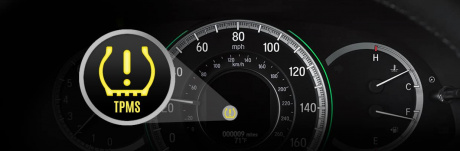
One of such sensors is the Tire Pressure Monitoring System (TPMS) sensor. Its sole responsibility is to keep a strict eye on the air pressure through all four tires and indicate when TPMS service is required.
Checking TPMS availability in your vehicle
The availability of TPMS in your car depends upon the model of your vehicle. In the U.S., all the post-2010 cars include the TPMS because the law requires it.
TPMS service is also crucial because of its role in determining the dynamics of an accident caused by an abrasive tire accident.
Generally, the TPMS indicator will be present right next to the car's leading headlight indicator. You can't see it usually unless the TPMS is malfunctioning or the tire pressure across one of the tires is not correct.
From where should I get car TPMS checked?
The majority of car owners across the U.S. believe that their regular car mechanics can solve every kind of car-related problem. But an advanced car automated system like TPMS requires more attention than that.
TPMS service must only be performed by a dedicated car sensor monitoring and operating professional facility. TPMS service will include checking the entire mainframe computer of the car. For this, it is better you hire a certified professional mechanic who knows exactly what they are doing.
What TPMS service includes?
TPMS service will not take longer than 20 minutes generally. The first thing that the expert is going to do is to inspect whether the car actually requires a TPMS service. If yes, then the chances are that he will be changing the entire sensor before programming it back according to the car's interface.
Sometimes, the real issue happens with the battery of the TPMS. The usual life span of a TPMS internal battery is around 5-10 years. After this time, you may need to replace the battery with a new one.
Car wiring malfunction is also a significant cause behind irregular TPMS operation.
Final Note
You might be thinking, why do TPMS services matter this much? Not to mention that it’s a legal requirement, having a fully functional TPMS is essential to enjoy a safe drive while also improving the fuel consumption of your vehicle.
Uneven tire pressure is known for causing serious and even lethal road accidents. At the very least, the poor function of TPMS is downgrading the car's fuel average.
Variable air pressure in the tires causes the engine to work more than its usual working capacity. This caused a significant increase in the vehicle's fuel consumption and it also wears down the engine's internal components.

Reviewed by Alex Ross
Content Editor, responsible for maintaining the quality and accuracy of the information presented on our blog.
Same articles
Van Nuys or LAX: Choosing the Right Airport for a Private Flight to Los Angeles
GuidesLos Angeles is not served by one universally convenient airport. The metropolitan area covers a wide geographic region, and road traffic can make ground transportation as important as flight...
5 Ways to Save on Car Insurance This Year
GuidesCar insurance is one of those expenses that can quietly increase from one renewal to the next. Even if you have not changed vehicles, moved, or filed a claim, the price you pay today...
Why Mobile Auto Repair Is Becoming the Smarter Way to Maintain Your Car
GuidesCar maintenance has traditionally meant rearranging your schedule around a repair shop, but mobile automotive service is changing that model. Instead of bringing the vehicle to the technician...