
When the time comes to replace your tires, the waiting time to see the mechanic seems like forever. Chances are that you might be thinking about when to replace tires even now.
According to car mechanic experts, you don’t need to replace your car tires as long as you don’t see one of the three most common tire damage symptoms. According to the law, depending on the locality, driving with even one of these tire damage indications is a punishable offense.
Sidewall Bubbles
You might have seen tires with a candy-sized bubble on their sidewalls. Sadly, most people ignore these bubbles, thinking it is some malfunction with the air release within the tube and nothing much serious. But in reality, this is an indicator of an upcoming car accident that is just waiting to have happened.
This candy-sized bubble is an actual air bubble the indicates a massive reservoir bubbling up beneath it. This air bubble and burst out any minute, causing a sudden tire blowout that can result in a serious and even fatal accident, especially when you are driving at high speed. If you were thinking about when to replace tires, this would be a perfect time.
Dry Rotting
Dry rotting of tires is associated with the excessive use of tires, especially in arid and hot weather conditions. Generally, the majority of car owners in the US believe that dry rotting is an indicator that helps them most in determining when to replace tires.
Dry rotting causes a spider web or a dry rot like rubber decaying to appear around your car tires' sidewalls. These lines can eventually cause the tire to fall apart, separating it from the steel belt midway causing severe accidents.
Tread Damage
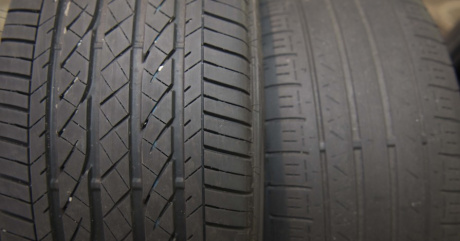
Tread is the only thing that gives your car tires the ability to stick to the ground and generate road friction that keeps your vehicle stable.
If you are someone who believes that tread damage is an indicator of the time when you should replace the tires, you are indeed a true car enthusiast.
According to US law, you need to change your car tires as soon as possible if the tread level is below 2/32''. Below this level, the car tire practically has zero tread friction left, and it becomes hazardous to use on the road.
Final Note
The U.S. authorities have set up measures to ensure that road accidents per year stay below a specific limit. For this purpose, U.S. law contains clear guidelines regarding tire maintenance and when to replace tires. The law gives the authorities the power to take immediate and swift actions against any potential offender.
You might be thinking that this is a bit of an extreme level of precautions. However, a sudden tire malfunction will not be affecting you alone. It will impact the people driving around you as well. That's why road safety authorities are dedicated to maintaining a secure road environment where everyone can drive safely.

Reviewed by Alex Ross
Content Editor, responsible for maintaining the quality and accuracy of the information presented on our blog.
Same articles
Van Nuys or LAX: Choosing the Right Airport for a Private Flight to Los Angeles
GuidesLos Angeles is not served by one universally convenient airport. The metropolitan area covers a wide geographic region, and road traffic can make ground transportation as important as flight...
5 Ways to Save on Car Insurance This Year
GuidesCar insurance is one of those expenses that can quietly increase from one renewal to the next. Even if you have not changed vehicles, moved, or filed a claim, the price you pay today...
Why Mobile Auto Repair Is Becoming the Smarter Way to Maintain Your Car
GuidesCar maintenance has traditionally meant rearranging your schedule around a repair shop, but mobile automotive service is changing that model. Instead of bringing the vehicle to the technician...