
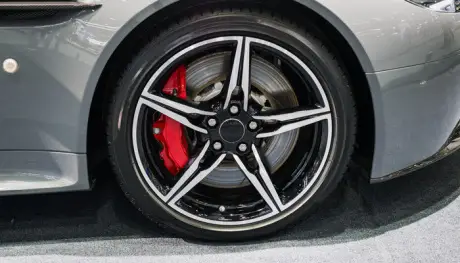
Nobody likes the sound that is generated by squealing tires. The sound made by the tires in such a state is enough to cause severe headaches, not to mention stress. Fortunately, you can prevent these annoying noises with simple tricks.
As much as these sounds may hurt your ears, the reasons behind them are benign. You can quickly sort out the issue yourself and rectify it accordingly. However, sometimes squealing tires can indicate severe issues behind annoying sounds. Squealing tires can be a symptom of the following issues with your vehicle:
Alignment Issues
The car alignment is usually the reason behind squealing tires. If the car is not aligned correctly, the chances are that the tires will be exerting more force than usual to keep the car on a straight path. In a situation like this, squealing sounds are common.
How can you prevent this from happening? Simple, go to your nearest car alignment and wheel balancing expert to get the alignment setting of your car checked.
Once your car's alignment is back to normal, you will not be hearing any kind of squealing from the car tires. Remember to mention the squealing issue to your wheel balancing expert during regular service.
Underinflation
This might be the first reason that pops up in our minds when we hear tire squealing. Unfortunately, the squealing sound generated due to underinflation has a more high-pitched and disturbing volume making it almost unbearable.
Due to underinflation, the rubber of your car tires will begin to lie flat with the surface of the road in a lateral manner. This will cause the tires to lay low and exert additional friction during the car's motion, causing some disturbing car squealing sounds.
Miscellaneous Reasons
Besides the two pretty obvious and common reasons, there can be several factors that can cause the temporary or permanent sound of squealing tires.
For example, a sudden road bump or a road change can generate squealing sounds. This kind of squealing typically lasts for a short time.
Factors like permanent tread damage or rim cracking can indicate severe tire damage demonstrating itself in the form of squealing sounds. It is advised to get the squealing tires checked if the sound isn't going away by itself.
Conclusion
Most of us ignore the issue of squealing tires. In most cases, this approach is valid since these squealing sounds are produced by minor problems that can be repaired easily or can even go away naturally.
But in some cases, the problem can be much more alarming than it sounds, literally speaking.
When you hear the sound of squealing tires, it is recommended to get your car tires checked. You should mention the sound of squealing when you do the regular maintenance or replace the tires with the seasons. Protecting and maintaining the tires in a top-notch shape is something you must ensure to prevent any kind of accident from happening. You must remember that on the road, no precaution is too small.

Reviewed by Alex Ross
Content Editor, responsible for maintaining the quality and accuracy of the information presented on our blog.
Same articles
Van Nuys or LAX: Choosing the Right Airport for a Private Flight to Los Angeles
GuidesLos Angeles is not served by one universally convenient airport. The metropolitan area covers a wide geographic region, and road traffic can make ground transportation as important as flight...
5 Ways to Save on Car Insurance This Year
GuidesCar insurance is one of those expenses that can quietly increase from one renewal to the next. Even if you have not changed vehicles, moved, or filed a claim, the price you pay today...
Why Mobile Auto Repair Is Becoming the Smarter Way to Maintain Your Car
GuidesCar maintenance has traditionally meant rearranging your schedule around a repair shop, but mobile automotive service is changing that model. Instead of bringing the vehicle to the technician...