
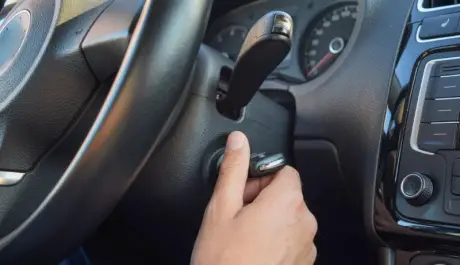
If the engine doesn't start, the first thing to do is to stay calm and not lose your composure. Sometimes, the reasons for a failed engine start are so trivial that the problem can be resolved within a few minutes. Below, we have summarized the most common causes:
Faulty Fuel Pump
If the engine fails to start despite having sufficient fuel in the tank, the fuel pump may have malfunctioned. You can check this with a simple test: When the key is in the ignition position, you should hear a faint humming sound from the fuel pump. If not, the pump likely isn't drawing fuel, preventing the engine from starting. However, if the pump is functioning properly, the fuel filter may be clogged, or the fuel lines could be damaged.
Insufficient Fuel
Believe it or not, some drivers continue to use the fuel reserve until the fuel level becomes too low to start the engine at the wrong moment. This oftaaen happens when the car is parked on an incline, and the fuel pump cannot draw fuel due to the uneven position.
Faulty Spark Plugs or Ignition Cables

A classic and probably the most common cause of starting difficulties, especially if you've noticed a noticeable loss of power or rpm fluctuations while the engine was running, is faulty spark plugs and ignition cables. Spark plugs should be replaced regularly, which is particularly important for diesel vehicles (where glow plugs are used).
Discharged Car Battery

If the starter motor turns very slowly, it's almost always due to a weak car battery. Reasons for this include extended periods of vehicle inactivity or frequent short trips where the alternator cannot sufficiently recharge the battery. Additionally, car batteries have a limited lifespan, typically around five years.
Defective Starter Motor
If, despite having a sufficiently charged car battery, the starter motor still turns slowly or not at all, it is most likely defective (or one of its components). The starter motor can suddenly fail, often preceded by unpleasant noises and a malfunction during the starting process.
See Also:

Reviewed by Alex Ross
Content Editor, responsible for maintaining the quality and accuracy of the information presented on our blog.
Same articles

Understanding Vehicle Inspection and Verification Services: Why They Matter for Every Driver
GuidesVehicle inspection and verification services are an essential but often overlooked part of keeping roads safe and cars legally compliant. Most people only think about inspections when it’s...
KLIFEX Brand Overview: High-Quality Automotive Repair Kits for Affordable Repairs
GuidesThe automotive aftermarket has long needed solutions that combine reliability, durability, and affordability. Many car enthusiasts and services are looking for a way...
Fast, Reliable Vehicle Emissions & Inspection Services Made Simple
GuidesFast, reliable emissions and inspection services are essential for keeping vehicles road-ready, compliant with environmental regulations, and safe for daily driving. If you’re looking for quick...