
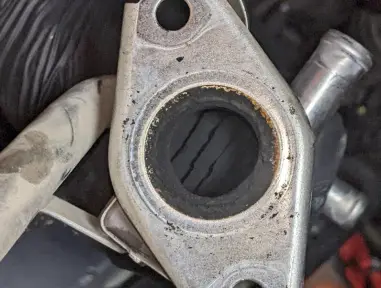
The article discusses the Exhaust Gas Recirculation (EGR) valve, a device in vehicles that reintroduces a measured amount of exhaust gases back into the combustion chamber. This process aims to reduce nitrogen oxide emissions during combustion. While beneficial, the recirculation of exhaust gases can lead to soot buildup, eventually impairing the EGR valve's functionality.
Defects in the EGR Valve: How Do They Occur?
In most engines, exhaust gases are typically recirculated at mid-range RPMs and under low to medium load, meaning the EGR valve remains closed at both idle and full throttle. The operation of the EGR valve also varies depending on whether the engine is gasoline or diesel-powered.
EGR valves come in various types, controlled either by vacuum or electrically. Regardless of the type, common malfunctions are usually similar, often due to a blocked valve stuck in the open position. This allows exhaust gases to enter the combustion chamber unrestricted.
Symptoms of a Faulty EGR Valve

- Uneven engine running
- Reduced performance
- Increased fuel consumption
- Illuminated engine control light
- Activation of emergency running program
- Jerking during driving
- Very dark to black exhaust smoke
Engines prone to high oil consumption are particularly susceptible to recurring EGR valve defects. Modified engines also struggle with EGR valves as the exhaust temperatures are too high for the valve.
How To Fix A Faulty EGR Valve?
Soot buildup in the EGR valve is inevitable. If the engine burns a lot of oil or has injector issues, soot formation accelerates. A driving profile mainly consisting of short distances also contributes to clogging the EGR valve.
To prevent this, it's recommended to drive longer distances on highways to burn off existing soot deposits. Regular engine flushes and the use of fuel additives are also beneficial. However, if the EGR valve is so clogged that the engine control light comes on, cleaning or complete replacement is the only solution.
How To Deactivate The EGR Valve?
Deactivating the EGR valve isn't inherently bad and can even be beneficial for the engine, but it risks revoking the vehicle's operating license. With a suitable driving profile, deactivation isn't necessary since the EGR valve only operates under partial load and is rarely used during extended highway driving.

Reviewed by Alex Ross
Content Editor, responsible for maintaining the quality and accuracy of the information presented on our blog.
Same articles
Mobile Auto Repair and Maintenance Services: Convenient Car Care Wherever You Are
GuidesWhen a vehicle breaks down or starts showing signs of trouble, getting it to a traditional repair shop is not always easy. Mobile auto repair services solve this problem by bringing professional...
The Hidden Math Behind Zoom Whitening Profit in Houston Practices
GuidesOn paper, teeth whitening should be one of the most profitable services a Houston dental practice offers. The chair time is short, demand is steady across the metro's...
Why Professional Appliance Repair Is Essential for a Comfortable Home
GuidesModern homes depend on appliances every single day. A washing machine keeps laundry under control, a refrigerator protects food, a dryer saves time, and an oven makes daily cooking easier. When...