
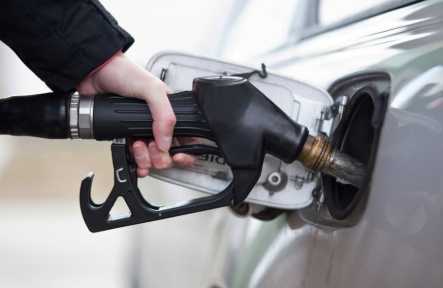
With the current sky-high prices for gasoline and diesel, it's especially important to keep an eye on fuel consumption. Those with a heavy foot might not be surprised to see consumption frequently in the double digits. However, a sudden increase in fuel consumption should not be underestimated, as it almost always indicates a defect.
The problem is even more significant if the car consumes noticeably more fuel than before, even during relaxed driving. Those who do not want to constantly spend a fortune at the pump in the future should start looking for the source of the problem. Most of the time, this can be resolved by oneself, eliminating the need for a workshop visit and saving a considerable amount of money.
Causes of High Fuel Consumption
First, it's advisable to start with surface-level checks. A common culprit is a clogged air filter, which impedes airflow to the engine. Depending on the make and model, replacing the air filter can be done in a few minutes and costs only a few dollars. We generally advise against performance air filters, as they can even harm the engine in the long run. Rusty brakes also negatively impact fuel consumption, as the vehicle has to overcome a noticeably higher resistance.
Another frequent defect that results in increased combustion is a faulty oxygen sensor. This sensor's job is to provide the engine control unit with information about the residual oxygen content in the exhaust gases. If the oxygen sensor isn't functioning properly, more fuel is injected than necessary. Symptoms of a faulty oxygen sensor include loss of power, and usually, the engine check light will be on.

A defective thermostat can also cause high consumption. For example, if the large cooling circuit remains permanently open, the engine doesn't reach operating temperature and runs rich. In this case, increased consumption (on average up to about 0.8 gallons more!) should be the least of one's worries, as engine damage could be imminent.
Other causes of increased fuel consumption can include:
- Defective EGR valve;
- Faulty engine control unit;
- Coked injectors (especially in diesel and GDI engines);
- Seized air conditioning compressor;
- Too low tire pressure.

See also:

Reviewed by Alex Ross
Content Editor, responsible for maintaining the quality and accuracy of the information presented on our blog.
Same articles
Mobile Auto Repair and Maintenance Services: Convenient Car Care Wherever You Are
GuidesWhen a vehicle breaks down or starts showing signs of trouble, getting it to a traditional repair shop is not always easy. Mobile auto repair services solve this problem by bringing professional...
The Hidden Math Behind Zoom Whitening Profit in Houston Practices
GuidesOn paper, teeth whitening should be one of the most profitable services a Houston dental practice offers. The chair time is short, demand is steady across the metro's...
Why Professional Appliance Repair Is Essential for a Comfortable Home
GuidesModern homes depend on appliances every single day. A washing machine keeps laundry under control, a refrigerator protects food, a dryer saves time, and an oven makes daily cooking easier. When...